How to Choose the Right Strength Training Program for Your Goals


Understanding Your Goals
Before diving into a strength training program, it's essential to clearly define your goals. Are you looking to build muscle, increase endurance, or improve overall fitness? Your objectives will guide your choice of program and determine the exercises, intensity, and frequency.
For those aiming to build muscle mass, a hypertrophy-focused program might be most suitable. In contrast, if your goal is to enhance endurance, a program incorporating lighter weights and higher repetitions could be beneficial.

Assessing Your Current Fitness Level
Your current fitness level plays a crucial role in selecting the right training program. Beginners should start with a basic program to build a foundation, while those with more experience can opt for advanced routines. Assess your strength, flexibility, and cardiovascular fitness to choose an appropriate plan.
Consider consulting with a fitness professional to evaluate your fitness level comprehensively. This assessment will help tailor a program that challenges you without causing injury.
Choosing the Right Program Type
Strength training programs come in various formats, each with its unique focus and benefits. Here are a few popular types:
- Bodyweight Training: Ideal for beginners and those with limited equipment.
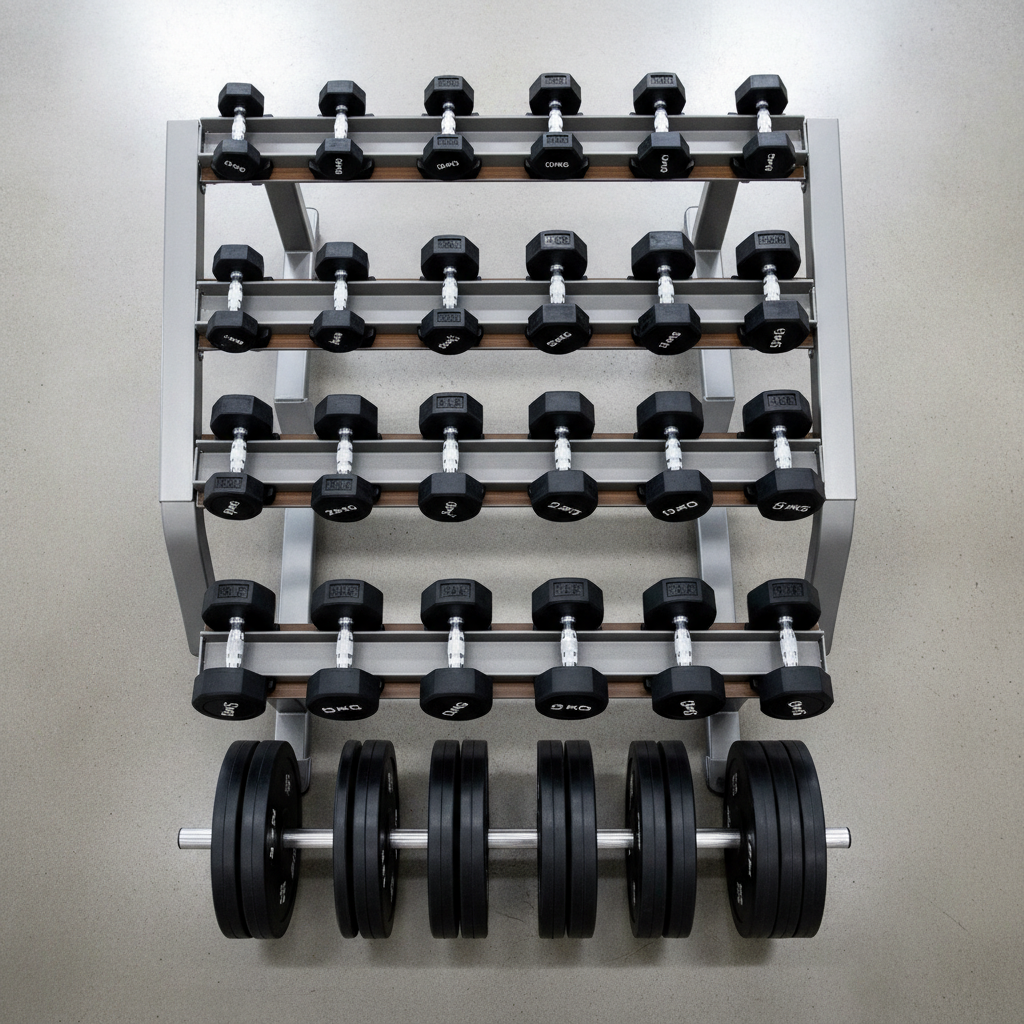
- Free Weights: Offers versatility and is excellent for building functional strength.
- Machine Weights: Provides guided movements that can be safer for newbies.
- High-Intensity Interval Training (HIIT): Combines cardio and strength for time-efficient workouts.
Considering Program Structure
The structure of your program influences your progress. A well-balanced routine includes a mix of compound and isolation exercises. Compound exercises engage multiple muscle groups, while isolation exercises target specific muscles.
Ensure your program includes rest days to allow muscle recovery. Overtraining can lead to injuries and hinder progress, so listen to your body and adjust as needed.
Tracking Progress and Making Adjustments
Once you start a strength training program, tracking your progress is crucial. Keep a record of your workouts, noting weights used, sets, and repetitions. This data helps you identify patterns and areas for improvement.
Be prepared to adjust your program as you progress. Increasing weights, changing exercises, or altering the number of sets and reps will keep your routine challenging and prevent plateaus.

Seeking Professional Guidance
If you're unsure about choosing the right program, consider consulting a personal trainer. They can provide personalized recommendations based on your goals and fitness level. A trainer can also ensure your form is correct, reducing the risk of injury.
Joining fitness classes or online communities can also offer support and motivation. Sharing experiences and learning from others can be invaluable on your fitness journey.