Comparing Functional and Traditional Training: Which is Right for You Over 40?


Understanding Functional and Traditional Training
For those over 40, finding the right fitness regimen can significantly impact health and wellness. Two popular approaches are functional and traditional training. Understanding the differences between these methods is essential to making an informed decision.
Functional training focuses on improving strength, balance, and coordination through exercises that mimic everyday movements. This type of training can be highly beneficial for individuals over 40 as it enhances overall mobility and reduces the risk of injury.
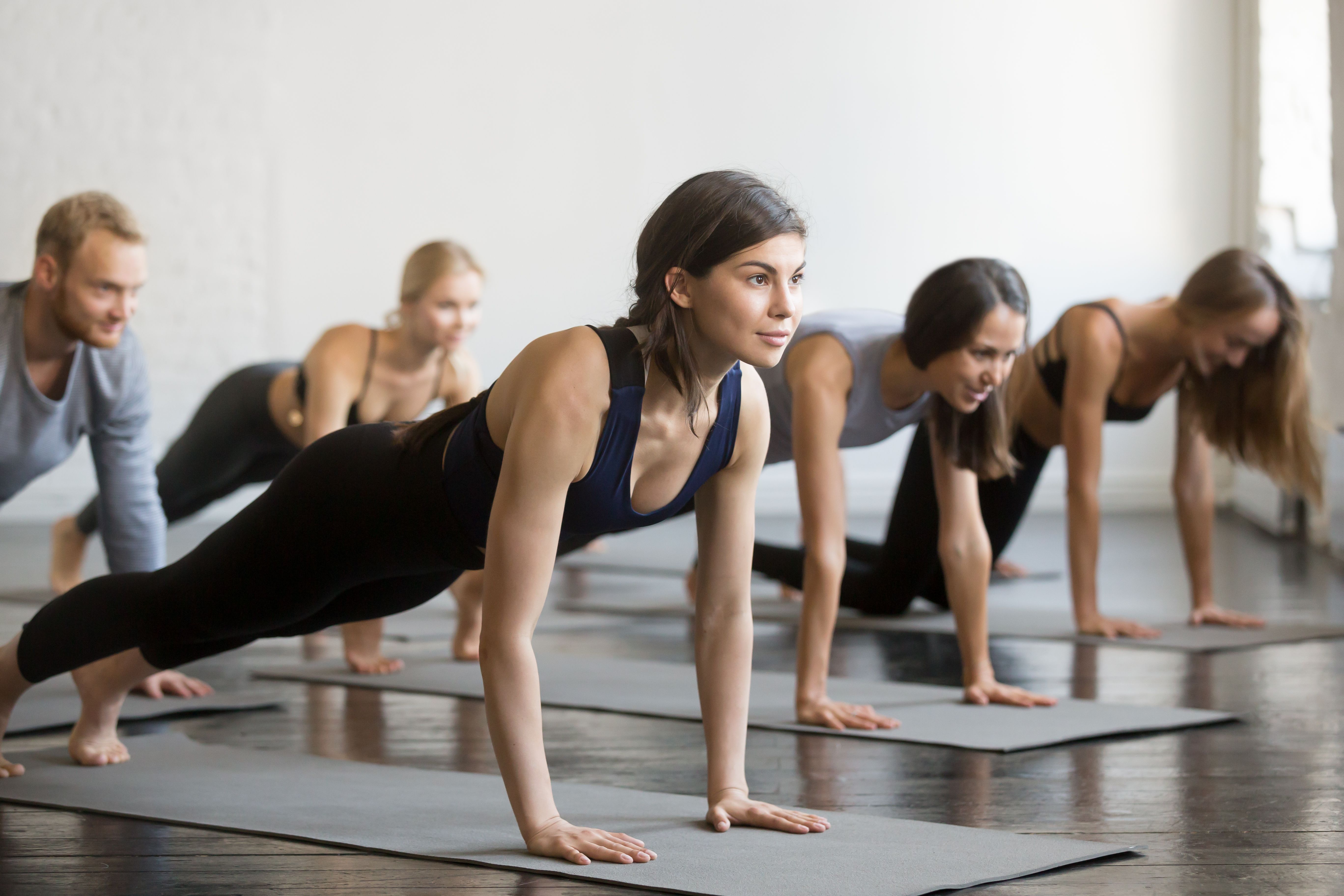
Benefits of Functional Training
Functional training often includes exercises like squats, lunges, and push-ups, which engage multiple muscle groups simultaneously. One significant advantage is its ability to improve core stability and flexibility, both crucial for maintaining mobility as we age.
Another benefit is that functional training can be tailored to individual needs. Whether you aim to improve balance or increase strength, exercises can be adjusted to target specific areas, making it a versatile choice for older adults.
Exploring Traditional Training
Traditional training, on the other hand, typically involves isolated exercises using machines or free weights. This method focuses on building specific muscle groups, offering a more targeted approach to strength building.
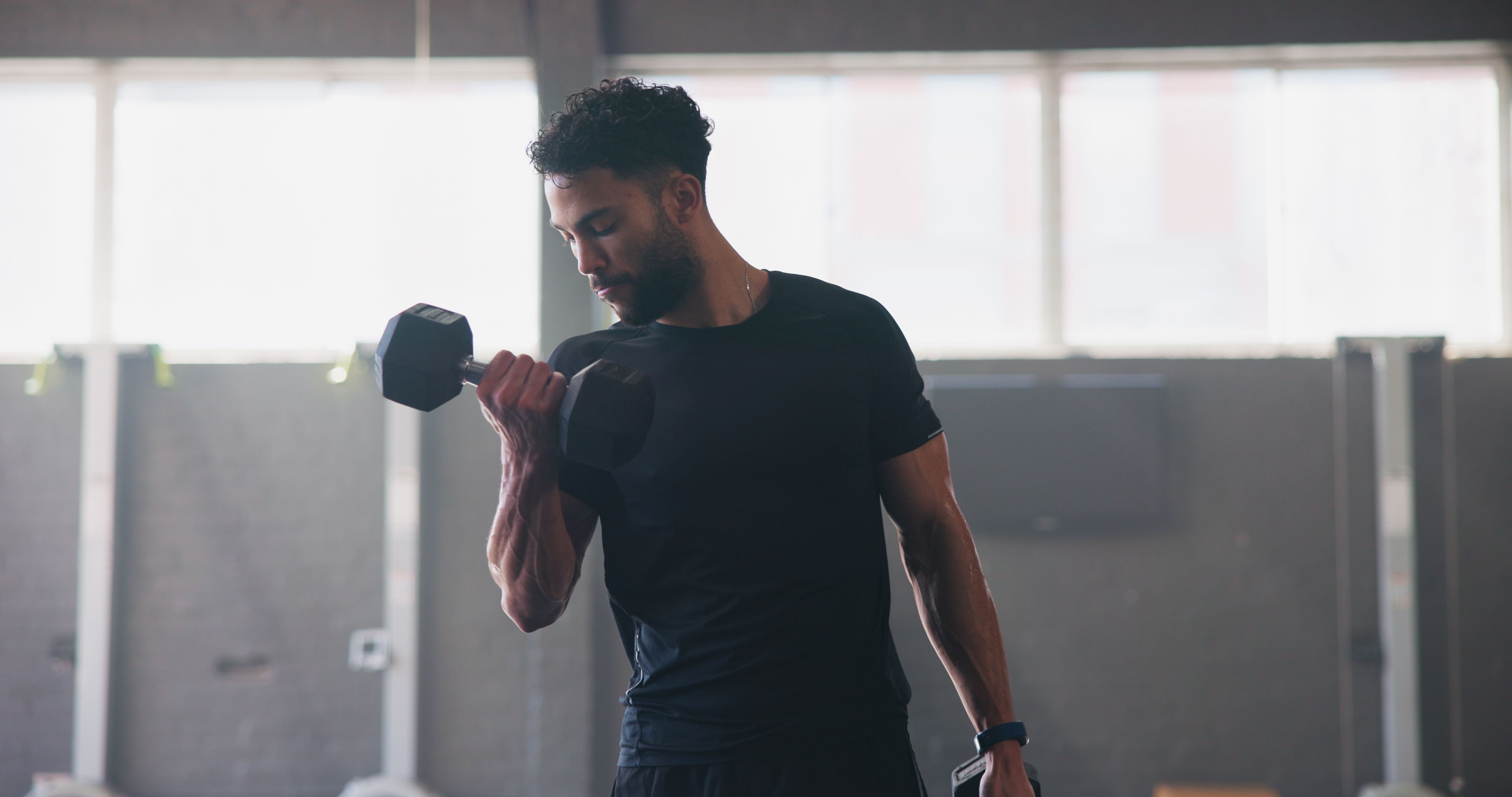
For those over 40, traditional training can be beneficial for increasing muscle mass and bone density. However, it may require longer recovery periods between workouts, especially if you're just getting started or have pre-existing conditions.
Choosing the Right Approach
Deciding between functional and traditional training should depend on your personal goals and physical condition. If your aim is to enhance everyday functional movements, improve balance, and increase flexibility, functional training might be the better option.
Conversely, if your goal is to focus on muscle mass and strength, traditional training could be more suitable. It's important to consult with a fitness professional to tailor a program that aligns with your needs.

Combining Both for Optimal Results
Many fitness enthusiasts over 40 find that a combination of both training methods yields the best results. Incorporating elements from functional training into a traditional regimen can provide a well-rounded approach, addressing both strength and mobility.
For example, integrating balance exercises into a weightlifting routine can enhance stability and prevent injuries. This holistic approach ensures that you gain the benefits of both training styles.
Conclusion: Making an Informed Decision
Ultimately, the choice between functional and traditional training should reflect your personal health goals and lifestyle. Both methods offer valuable benefits, and understanding these can help you create a balanced and effective fitness plan.
Remember, it's never too late to start a fitness journey. With the right approach, you can enjoy improved health, increased energy, and a better quality of life well into your later years.